

At least 15 members of the new ?Progressive Bulgaria? parliamentary group have backgrounds linked to the armed forces, police structures, or national security services, "Svobodna Tochka" reports. A closer look at the composition of the 52nd National Assembly shows that roughly 12% of its deputies come from security, defense, or law enforcement careers, even as around two-thirds of the MPs are largely unfamiliar to the broader public.
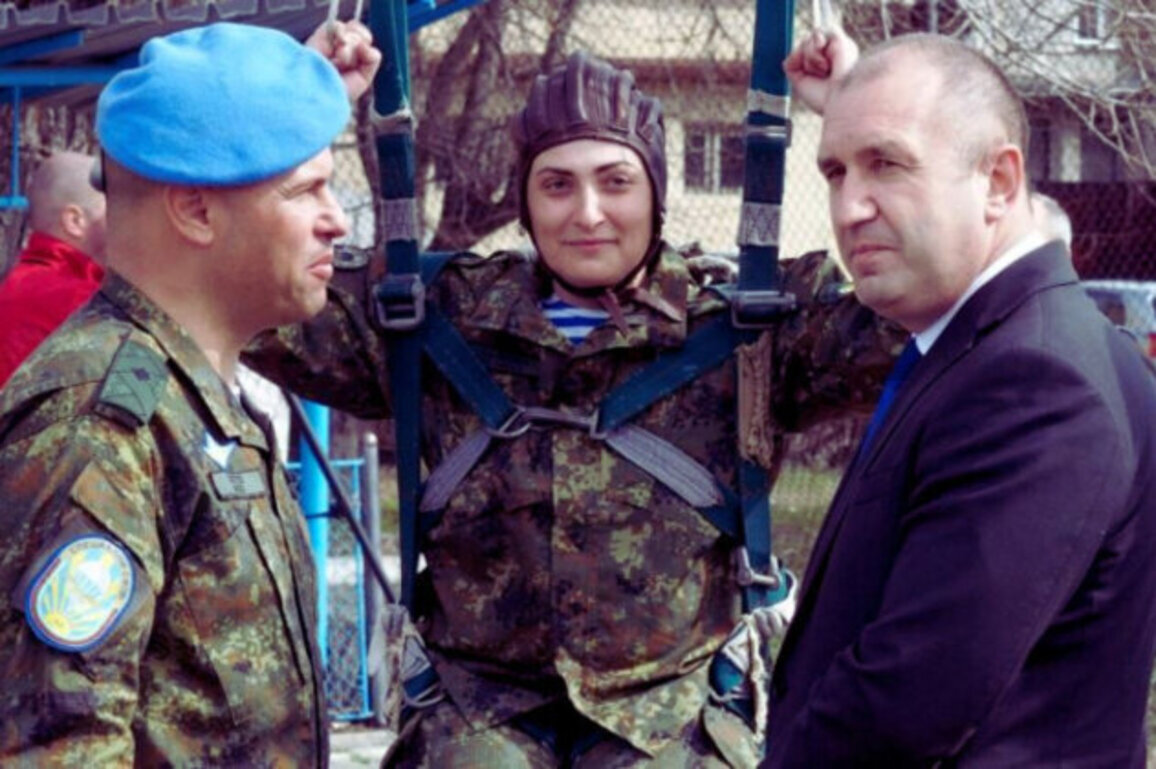
The presence of former military and interior ministry personnel in political roles is not new in Bulgaria. It reflects a broader pattern that has emerged over recent years, including during the tenure of caretaker governments appointed under President Rumen Radev and Prime Minister Galab Donev. Both administrations were noted for appointing individuals with backgrounds in defense, security, and the former State Security apparatus. Similar profiles have also been present in presidential teams, where such appointments are often justified by the head of state's constitutional role as commander-in-chief.
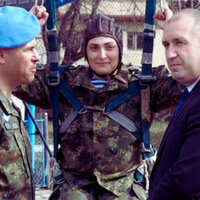
The current political leadership is closely associated with Rumen Radev himself, a former air force general and commander at Graf Ignatievo air base. His influence is visible in both the political trajectory and personnel choices surrounding the formation. ?Progressive Bulgaria? secured a parliamentary majority with 131 seats, and its internal structure reflects a noticeable concentration of individuals with experience in uniformed services. Some of these MPs are expected to move into executive positions, which would further shift the balance inside parliament.
Among the more politically visible figures is Ivan Demerdzhiev, a Plovdiv-based lawyer and former interior minister in caretaker governments linked to Radev. He is often described as one of the central figures in the emerging political configuration. Alongside him are MPs whose backgrounds trace back to military academies, police service, and intelligence-related institutions, many of whom are connected through shared professional or academic histories with the president.
One such example is General Ivan Lalov, a graduate of the Georgi Benkovski Air Force School in Dolna Mitropolia, who studied in the same class as Radev. He later completed training in Sofia and Paris and served alongside him in early military assignments. Lalov has described institutional reform and reducing dependency in state structures as key political goals, stating, ?the liberation of institutions from dependency and duplication of functions is essential.?
Another figure is Galab Donev, who also has an air force educational background and later worked across various branches of government administration. He served as acting prime minister in a caretaker cabinet appointed under Radev's presidency, highlighting the continuity between military-administrative careers and executive governance roles.
General Rumen Milanov, one of the oldest members of the assembly, represents a long trajectory within the Ministry of Interior, having held senior positions in several security structures over decades. His career spans road police, gendarmerie leadership, anti-corruption units, and national security institutions. He symbolically opened the first session of the new parliament as the oldest MP.
Other MPs, such as Petar Todorov, also have deep roots in state security and interior ministry structures, including positions in counterintelligence and regional policing. His career later moved into senior administrative roles within the ministry, with some appointments linked to caretaker governments. Political figures have previously described internal disputes around his tenure, while institutional crises during his service were resolved through resignation.
Additional members of the group include individuals with combined military, police, and private sector experience. Krasimir Ivanov transitioned from military service to border security and later to private investment projects. Mario Smirkov, twice regional governor of Varna, has worked across public administration and security-related institutions. Others, such as Tsvetomir Tsvetanov and Georgi Mitov, represent similar career paths through military education, interior ministry service, and later political or administrative roles.
The profile of these MPs also extends into civic and cultural institutions. Danail Lalev, a reserve officer and long-time local political figure, has worked in both public and private roles and received recognition for contributions to cultural development. Daniela Georgieva spent two decades in the interior ministry before entering private business, while Galin Durev combines academic training in national security with prior political experience in parliamentary structures.
Together, these profiles reflect a broader pattern of overlap between Bulgaria's political leadership and its security establishment. The concentration of MPs with military and interior ministry backgrounds highlights a continuing trend in which governance, security structures, and political authority remain closely interconnected within the country's current parliamentary configuration.